Understanding Retroreflectivity Standards on Modern Highways
Road traffic accidents during nighttime and twilight hours represent an overwhelming proportion of highway fatalities worldwide. While traffic density drops significantly after dark, the risk of serious accidents increases substantially due to reduced driver visibility, slower reaction times, and deceptive road curvature.
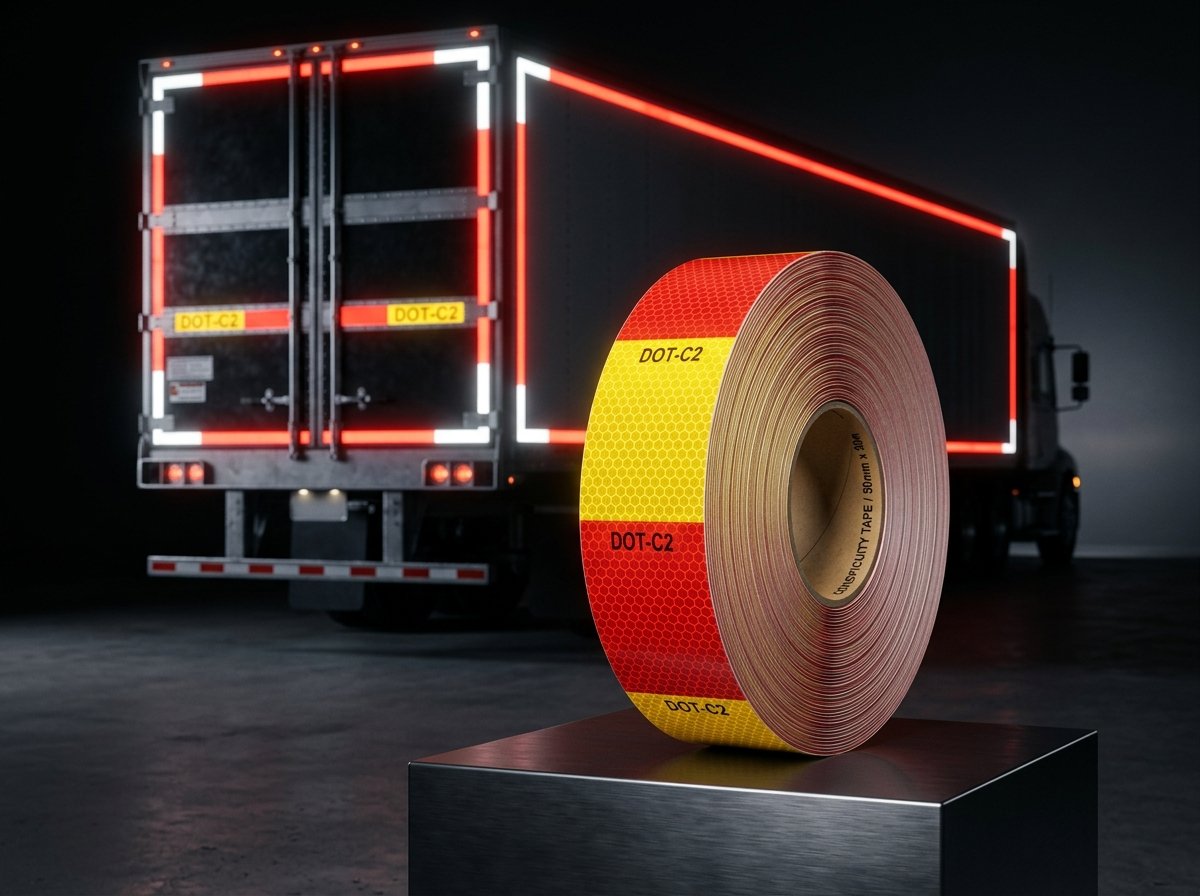
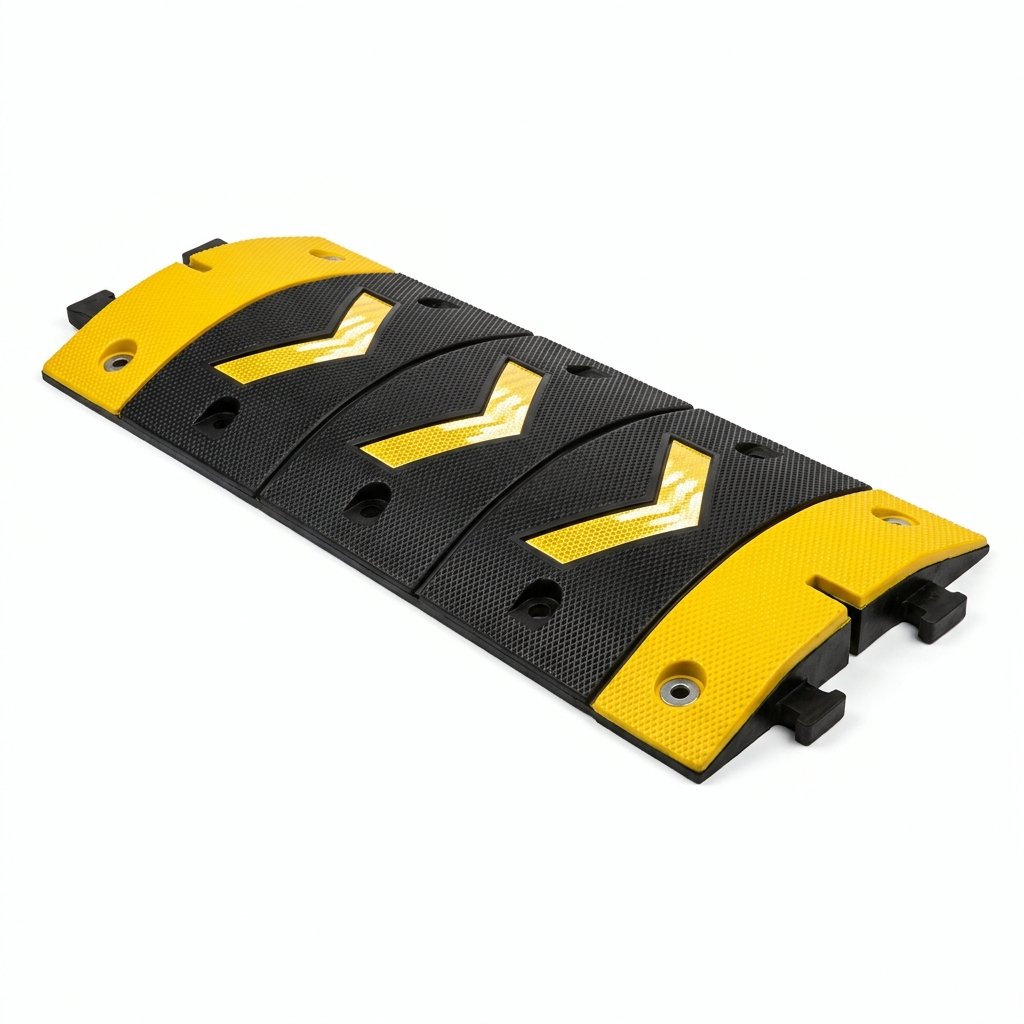
To mitigate these critical safety hazards, state highway departments and transportation authorities mandate high-performance retroreflective materials across national road networks. Among these technologies, full-cube microprismatic sheeting has emerged as the definitive standard for traffic control signs, expressway median markers, and crash barrier outlines.
How Microprisms Work: Physics of Total Internal Reflection
Unlike conventional spherical glass beads which scatter returned vehicle headlamp light at wide, inefficient angles, microprismatic sheeting utilizes thousands of precision-molded microscopic prisms per square centimeter. Each prism features three mutually perpendicular planar surfaces that act as a corner-cube reflector.
When incident light from a vehicle's headlights enters the prism face, it undergoes total internal reflection across all three planes, directing the concentrated beam straight back to the source — specifically the observer's viewing angle (the driver).

Key Benefits for Expressways & High-Speed Corridors
Field testing conducted in adverse weather conditions — such as monsoon rainfall, dense winter fog, and rural zero-lighting sectors — reveals dramatic enhancements in driver perception:
- Extended Sight Distance: Drivers receive clear hazard warnings up to 500 meters in advance, giving extra seconds to decelerate safely.
- Wide Observation Angle Performance: Ensures equal visibility for both low-slung passenger cars and high-cab heavy commercial trucks.
- ASTM D4956 & IRC:67 Compliance: Meets strict Type IV, Type VIII, and Type XI brightness mandates required by MoRTH across Indian highways.
- All-Weather Durability: UV-stabilized acrylic and polycarbonate protective layers guarantee 10-year outdoor performance without yellowing or delamination.
Conclusion & Implementation Outlook
Investing in certified microprismatic retroreflective sheeting and markers is not merely a regulatory formality; it is a proven lifesaving infrastructure measure. As highway speeds increase across new expressway corridors, clear night guidance remains the foundational line of defense against preventable accidents.